

why a Koach is important
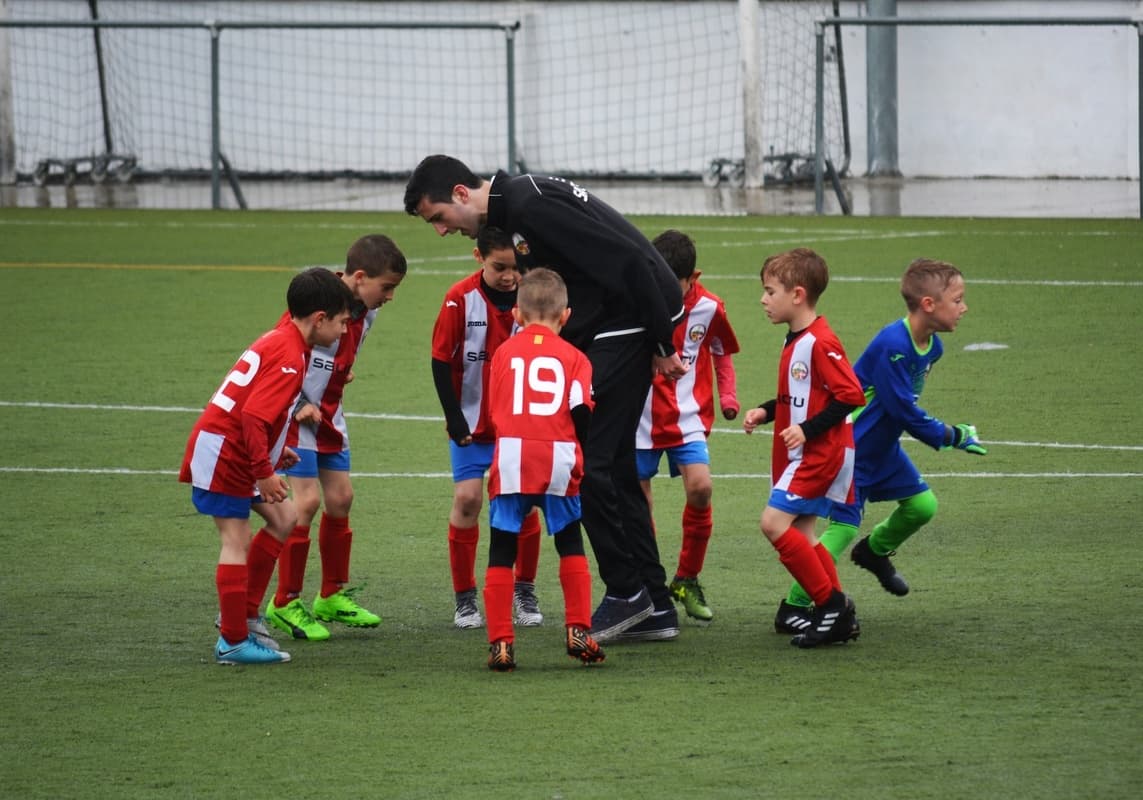
Whether it’s a team fighting hard at the top of the Premier League, or the burgeoning tennis star looking for that extra 5% that will turn them from a runner-up into a winner, the right coach can often be the missing ingredient.
Finding the right coach can make all the difference to your performance, whether you want to compete at the highest level or lose weight and get fit. They can help you find that critical extra 10% of performance that helps you deliver the results you’re aiming for.
So what is the role of a coach and why are they so important if you’re serious about achieving your sporting and fitness goals?
The role of a coach
Sports coaches work with athletes across sporting fields and disciplines to help them achieve their full potential. They do this by analysing the performance of the athlete or team they are working with, both individually and collectively, and then looking at how aspects of that performance can be improved.
This might be through working on specific skills or encouragement and motivation. Coaches can also look at other aspects of the athlete's lifestyle away from the sporting arena, such as their diet and lifestyle. Increasingly, coaches take a holistic approach to developing the overall performance of the athlete.
If you’re serious about your chosen sport or making serious lifestyle changes, then working with a coach can be a step to success.
A method for success
Coaches work in different ways to achieve results. While two coaches may want to reach the same goals with the athlete they’re working with, they may have very different approaches to achieving those goals.
Expert coaching is backed up by science, research and results and is constantly evolving. It’s why the world’s most successful sporting organisations invest heavily in their coaching staff and compete for the most talented coaches. The success of any team relies as much on the quality of its coaches as it does on the quality of its players.
Historically, there were three methods of coaching accepted in sports: autocratic, democratic and holistic. Each style has both benefits and drawbacks, and coaches will establish their own coaching style that draws on all three of these approaches to different degrees. Each coach will also have their own natural tendencies and strengths. For some coaches, a more autocratic, stricter approach may not sit well with their personality. For others, holistic approaches may not be appropriate for the highly focused way in which they are working with an athlete.
A successful coach will have a firm grip of their own strengths and weaknesses to inform their own method. A skilled, empathetic coach will also be quick to ascertain which approach will be most effective with the athletes with whom they are working.
What are the qualities of a great coach?
All coaches have different strengths and weaknesses, and there is no single way in which to get results as a coach. That said, most successful coaches will share a number of key qualities.
Firstly, they will understand the sport they are coaching. While many coaching skills are interchangeable, some are sporting specific. Many coaches will themselves have been excellent athletes in their chosen sport, and they will transfer this experience and on-pitch knowledge to their coaching. This isn’t always the case, however, and many coaches compensate for their lack of first-hand experience with an extensive understanding of the sport and coaching methods. Excellent coaches are always learning and keen to pass on their knowledge. Coaching and sports science are constantly developing and good coaches keep up to date with these developments. Coaches are not set in their ways, but take a flexible, open approach to achieve results and their methods are always evolving.
Effective coaches know how to motivate. After your athlete has put in the hard work, changed their diet and made adjustments to their lifestyle, it’s important to ensure they are motivated, confident and keen to achieve. This is where motivation comes in, and it can make a key difference on the day to the overall performance of the athlete.
Coaches understand the athletes that they work with. This is often backed up by an understanding of psychology and personality types. They treat each athlete as an individual and they know how to get the best out of them.
Finally, all good coaches are excellent communicators. Some are big outgoing personalities, others favour a quieter approach, but all know how to get their message across.
Work with a coach to achieve your best results
Whatever your chosen sport or discipline, working with a coach is an excellent way to take your performance to the next level. They can provide insights into your performance, work on key skills and keep you motivated.
In terms of raising the bar on your own performance, the guidance of a coach can be that all-important missing component that you’ve been looking for.
find a Koach in your area
related news

Physical health and mental well-being are inextricably intertwined. If you have a physical injury, lose mobility or are simply under the weather due to illness, then your mental health may suffer. This can be short-term, for the duration of the illness, or it can be longer lasting.
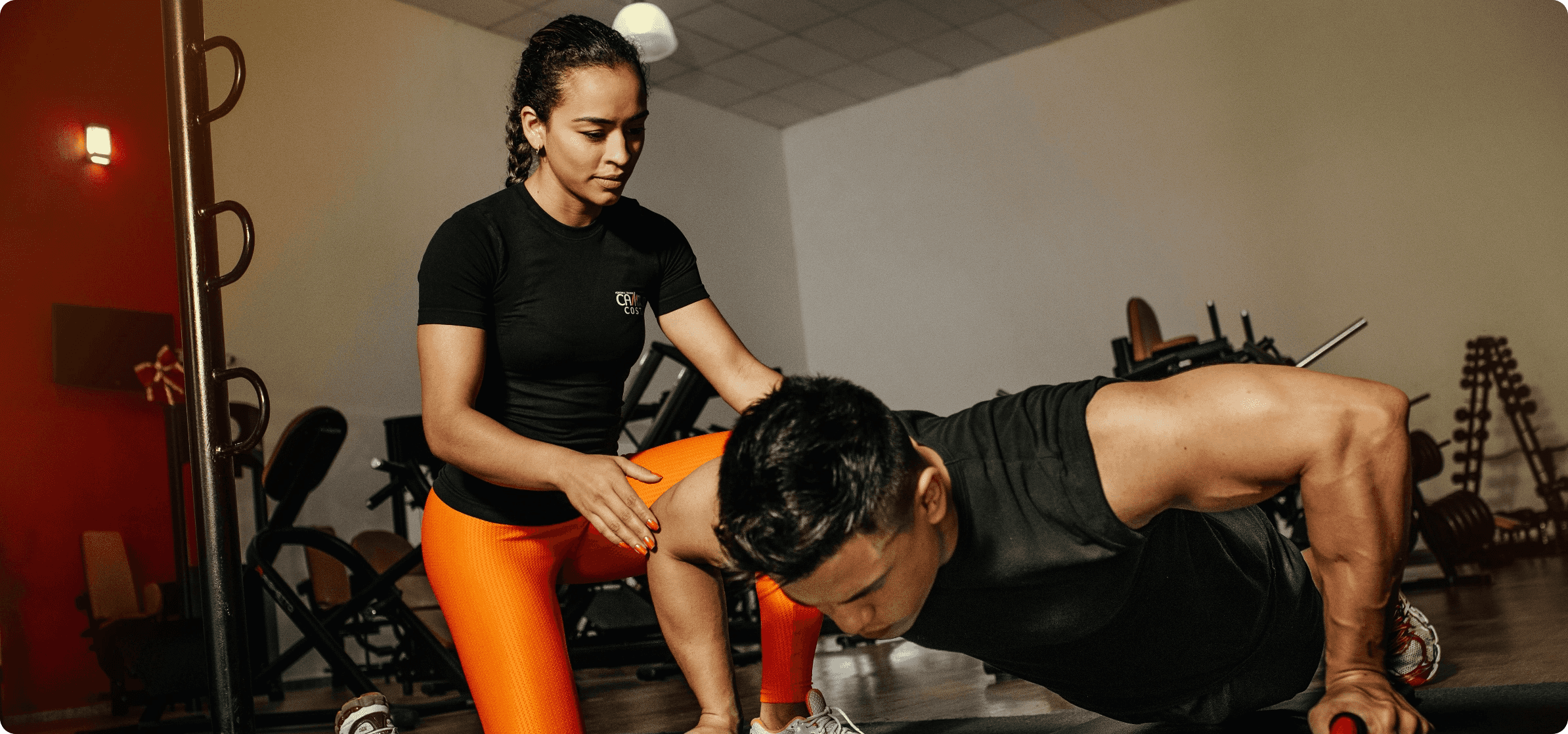
The fitness industry in the UK is now worth a staggering £1.58 billion. It has grown considerably over the past decade as people look to improve their health and fitness through a variety of sports and activities. Whether it’s visiting the gym, joining a team or a club, or hiring a coach to help your performance, the fitness industry adds real value to people's lives.
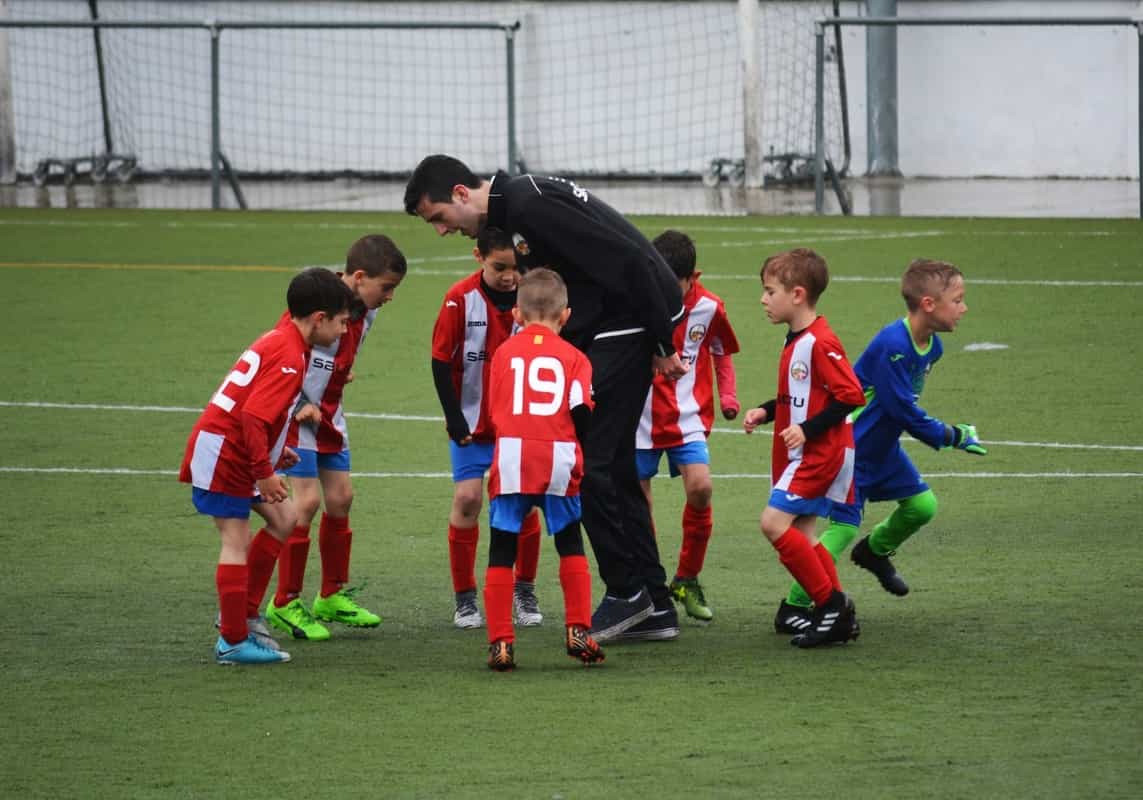
Whether it’s a team fighting hard at the top of the Premier League, or the burgeoning tennis star looking for that extra 5% that will turn them from a runner-up into a winner, the right coach can often be the missing ingredient.